




 Esperanto
 Shqiptare
 Euskara
 Zulu
Zulu
 Latinus
 Cymraeg
 தமிழ்
தமிழ்
 Slovak
 Slovak
 Afrikaans
NEWS CENTER
Understanding the Impact of Egg Washing and Breaking Machines on Food Safety
Table of Contents
- 1. Introduction to Egg Washing and Breaking Machines
- 2. The Importance of Food Safety in the Agricultural Industry
- 3. The Egg Washing Process: How It Works
- 4. Benefits of Egg Washing for Food Safety
- 5. The Egg Breaking Process: A Detailed Overview
- 6. Impact of Egg Breaking Machines on Food Safety
- 7. Best Practices for Using Egg Washing and Breaking Machines
- 8. Future Innovations in Egg Processing Technology
- 9. Frequently Asked Questions
- 10. Conclusion
1. Introduction to Egg Washing and Breaking Machines
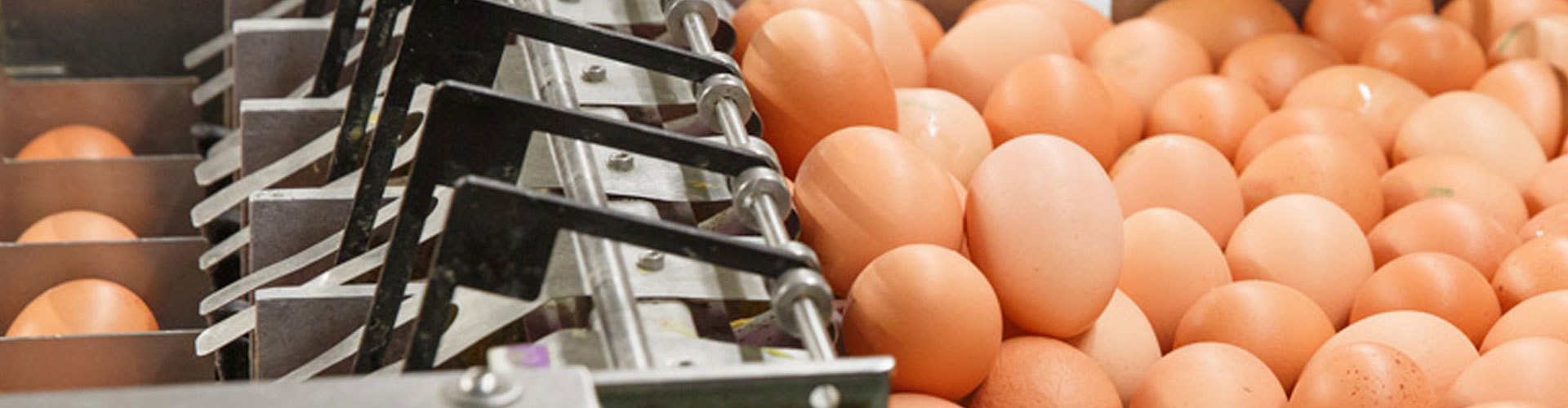
In recent years, the emphasis on food safety has grown significantly, particularly in the agricultural and food processing sectors. Among various innovations, **egg washing and breaking machines** play a crucial role in ensuring the safety and quality of egg products. These machines are designed to clean and process eggs effectively, minimizing contamination risks and enhancing overall food safety.
Egg washing involves removing dirt, bacteria, and other contaminants from the egg surface. Following this process, egg breaking machines efficiently separate the egg contents, facilitating further processing while maintaining safety standards. This article explores the significance of these machines in the food industry and their impact on food safety.
2. The Importance of Food Safety in the Agricultural Industry
Food safety is paramount in the agricultural sector, as it directly affects public health and consumer confidence. Contaminated food products can lead to serious health issues, ranging from mild foodborne illnesses to severe outbreaks. The **Centers for Disease Control and Prevention (CDC)** estimates that one in six Americans gets sick from foodborne diseases each year.
In the context of egg production, specific pathogens, such as Salmonella, can be particularly concerning. Implementing effective measures to ensure food safety throughout the egg processing chain is essential. This includes proper washing and breaking techniques, which significantly reduce the risk of contamination.
3. The Egg Washing Process: How It Works
Egg washing is a systematic process that involves several steps to ensure that eggs are clean and safe for consumption. The following outlines the typical stages of the egg washing procedure:
3.1 Pre-Wash Inspection
Before washing, eggs undergo a visual inspection to identify any heavily soiled or damaged eggs that may need to be discarded. This initial step is crucial to maintain quality.
3.2 Washing Phase
The washing phase involves using warm water and a mild detergent to remove dirt and bacteria from the eggshells. Specialized egg washing machines are equipped with brushes and jets to ensure thorough cleaning without damaging the eggs.
3.3 Rinsing and Drying
After washing, eggs are rinsed with clean water to remove detergent residues. Subsequently, they are dried using air blowers or other drying methods to prevent moisture accumulation, which can promote bacterial growth.
3.4 Quality Control
Post-wash, the eggs undergo quality control checks for cleanliness and integrity. This step ensures that only properly cleaned eggs proceed to further processing.
4. Benefits of Egg Washing for Food Safety
Egg washing significantly contributes to food safety in various ways:
4.1 Removal of Contaminants
By effectively removing dirt, bacteria, and other contaminants, egg washing reduces the likelihood of foodborne illnesses. This is particularly important in mass production settings where contamination risks can be higher.
4.2 Enhanced Shelf Life
Properly washed eggs have an extended shelf life, as the removal of contaminants reduces the chances of spoilage. This is beneficial for both producers and consumers who seek quality products.
4.3 Compliance with Regulations
Many countries have stringent regulations regarding food safety, including the processing of eggs. Egg washing machines help producers comply with these regulations, ensuring that their products meet safety standards.
5. The Egg Breaking Process: A Detailed Overview
Following the washing process, eggs are often broken for various uses, including liquid egg products, baking, and ready-to-eat meals. The egg breaking process involves several critical steps:
5.1 Breaking Mechanism
Egg breaking machines utilize automated systems to crack the eggs without damaging the shells or yolks. This precision is essential for maintaining product quality.
5.2 Separation of Components
After breaking, the machine separates the egg whites and yolks from the shells. This separation is crucial for different culinary applications and enhances convenience for food manufacturers.
5.3 Quality Control and Testing
Post-breaking, the egg contents undergo quality control checks for freshness, color, and consistency. This step ensures that only high-quality products are used in food preparation.
6. Impact of Egg Breaking Machines on Food Safety
Egg breaking machines significantly affect food safety in the following ways:
6.1 Reduction in Cross-Contamination
By automating the breaking process, the risk of human error and cross-contamination is minimized. Automation leads to a more hygienic environment for food processing.
6.2 Consistency in Product Quality
These machines ensure that egg products maintain consistency in taste, texture, and quality. This uniformity is vital for commercial kitchens and food manufacturers.
6.3 Streamlined Production Processes
The integration of egg breaking machines into production lines allows for faster processing, reducing the time between egg collection and distribution. This efficiency is critical for maintaining freshness.
7. Best Practices for Using Egg Washing and Breaking Machines
To maximize the benefits of egg washing and breaking machines, implementing best practices is essential:
7.1 Regular Maintenance and Calibration
Routine maintenance and calibration of machines ensure optimal performance and minimize the risk of malfunctions that could compromise food safety.
7.2 Training Staff on Proper Use
Well-trained staff can operate machines effectively and recognize potential issues, contributing to higher safety standards.
7.3 Monitoring Cleaning Protocols
Establishing strict cleaning protocols for machines helps prevent contamination and maintain hygiene throughout the processing line.
8. Future Innovations in Egg Processing Technology
The egg processing industry is continually evolving, with innovations aimed at improving food safety and efficiency. Some of the anticipated developments include:
8.1 Advanced Automation
Future egg washing and breaking machines may incorporate advanced automation and artificial intelligence, enhancing precision and efficiency in processing.
8.2 Enhanced Cleaning Technologies
Innovative cleaning technologies, such as ultrasonic cleaning and advanced sanitizing agents, may emerge, offering even greater efficacy in removing contaminants from eggs.
8.3 Eco-Friendly Solutions
Sustainability is a growing concern in food processing. Future developments may focus on eco-friendly washing agents and energy-efficient machines that minimize environmental impact.
9. Frequently Asked Questions
9.1 What are the main benefits of using egg washing machines?
Egg washing machines enhance food safety by removing contaminants, extending shelf life, and ensuring compliance with food safety regulations.
9.2 How do egg breaking machines ensure product quality?
Egg breaking machines maintain consistency through automated processes that reduce human error and promote hygienic practices.
9.3 Are there regulations governing egg washing and breaking processes?
Yes, many countries have strict regulations regarding food safety in egg processing, requiring producers to adhere to specific standards.
9.4 How often should egg washing and breaking machines be maintained?
Regular maintenance should be conducted according to the manufacturer's guidelines, typically on a routine schedule, to ensure optimal performance.
9.5 What future trends can we expect in egg processing technology?
Future trends may include advanced automation, enhanced cleaning technologies, and eco-friendly practices in egg processing.
10. Conclusion
In conclusion, the role of egg washing and breaking machines in enhancing food safety cannot be overstated. By effectively cleaning and processing eggs, these machines mitigate contamination risks and ensure that only high-quality products reach consumers. As advancements in technology continue to emerge, the egg processing industry will likely see even more improvements, contributing to better food safety standards. The emphasis on hygiene, efficiency, and sustainability will shape the future of egg processing, benefiting producers and consumers alike.
NEWS
CLASSIFICATION
Enhancing Egg Processing Efficiency: The Horizontal Type Drum Egg Separator
In the agricultural food sector, especially in egg production, efficiency and quality control are paramount. One of the innovations that have significantly contributed to these aspects is the Horizontal Type Drum Egg Separator. This machine is engineered to separate egg yolks from egg whites quickly and effectively, making it an essential tool for farms and processing plants that deal with large v
Dec 12,2025
→
A Complete Guide to Maintaining Your Egg Breaking Machine
A Complete Guide to Maintaining Your Egg Breaking Machine Table of Contents Introduction to Egg Breaking Machines Importance of Regular Maintenance Key Components of an Egg Breaking Machine Cleaning Your Egg Breaking Machine: Best Practices Routine Inspection and Maintenance Checks Common Issues and Troubleshooting Tips Technological Advancements in E
Dec 07,2025
→
Optimizing Egg Liquid Processing with Centrifuge Egg Liquid Filters
Centrifuge egg liquid filters are essential tools in the agricultural food sector, particularly within the poultry industry, where the processing of egg liquids is crucial. These specialized centrifuges are designed to separate solid particles from liquid egg products, ensuring a high level of purity and consistency in the final output. The operation of a centrifuge egg liquid filter is predominan
Dec 02,2025
→
Why Egg Washing and Breaking Machines Are Essential for Poultry Businesses
Why Egg Washing and Breaking Machines Are Essential for Poultry Businesses The poultry industry is a cornerstone of global food production, and as demand for poultry products continues to skyrocket, efficiency and quality in processing have become more critical than ever. **Egg washing and breaking machines** have emerged as vital components in this sector, streamlining operations while enhancing
Nov 27,2025
→
The Essential Role of Egg Liquid Filters in Agricultural Machinery
In the agricultural and livestock machinery sector, maintaining product quality is paramount, and this is where egg liquid filters come into play. These filters are designed to ensure that the liquid egg products are free from contaminants, thereby maintaining the integrity and safety of the food supply chain. The primary function of egg liquid filters is to remove unwanted particles and impuriti
Nov 22,2025
→
Efficiency Meets Quality: The Ultimate Guide to Horizontal Drum Machines for Egg Processing
Efficiency Meets Quality: The Ultimate Guide to Horizontal Drum Machines for Egg Processing Table of Contents 1. Introduction to Egg Processing Technology 2. What Are Horizontal Drum Machines? 3. Benefits of Horizontal Drum Machines in Egg Processing 4. How Horizontal Drum Machines Work 5. Applications of Horizontal Drum Machines in the Egg Industry 6. Choosing the Right
Nov 17,2025
→
Here is the placeholder text
Contact:
Address: No. 899, Industrial Road 2, Huantai County, Zibo, Shandong
Telephone: +86-533-8178825
Fax: +86-533-8178825
Mobile: +8613305332505
Contact: Mr. Xie
E-mail:zbzhaorui@126.com
Website:www.sdzhaorui.com
Adhering to the "customer first, forge ahead" business philosophy, the integrity of the company as the fundamental survival. All efforts for customer satisfaction, all efforts for the long-term healthy development of enterprises.
Zibo Zhaorui Food Machinery Co., Ltd. is located in Zibo, Shandong, the birthplace of Qi culture, and is also an old industrial base in the country. Company It has many mechanical and electrical automation engineers and technical engineers engaged in egg product production. Its company design engineers have been engaged in egg product equipment design for more than ten years, and are engaged in the research, development and production of egg machinery.
We look forward to seeing you.
Copyright © 2024 Zibo Zhaorui Food Machinery Co., Ltd.丨 SEO